Complaints Procedure for Business Waste Removal Acton
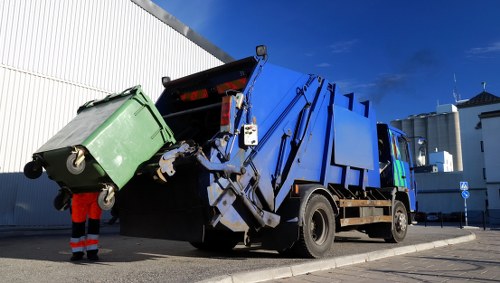 This document sets out the formal complaints procedure that applies to commercial waste collection and business rubbish removal in Acton. It is intended for businesses, property managers and other organisations using a professional waste removal service. The aim is to provide a clear, transparent and fair route for raising concerns about service delivery, safety, billing, environmental handling or contractual matters related to business waste removal services.
The procedure covers complaints about missed collections, damage during collection, incorrect bin handling, hazardous waste segregation, and any breach of agreed service standards by the rubbish removal company. It applies equally to scheduled commercial collections, one-off clearances and ongoing waste management contracts. Scope is limited to operational and administrative issues and does not replace statutory channels for regulatory or legal claims.
 Our approach is built on fairness, impartiality and promptness. All complaints will be treated seriously, investigated objectively and handled in confidence where appropriate. We will acknowledge receipt, investigate the circumstances, and respond with outcomes and proposed remedies. Where a complaint raises safety or environmental compliance concerns, it will be escalated for immediate review.
How to Make a Complaint
To ensure an effective response, please describe the issue clearly and include relevant details such as the date and time of the incident, the service address, vehicle or crew identifiers if known, the nature of the problem and any photographic evidence. While specific contact routes are not provided on this legal page, the expectation is that complaints will be submitted through the service provider's published channels or via the contractual account manager.
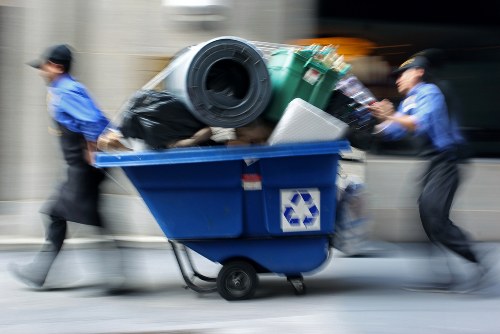 When making a complaint about waste removal Acton services, provide documentation where possible: delivery notes, service schedules, invoices, and witness statements. This information helps investigators verify events and determine whether an operational lapse, misunderstanding or contractual issue occurred. Where a complaint relates to health and safety or environmental breach, mark it as urgent in the submission so appropriate steps can be prioritized.
The business rubbish removal complaint process follows staged handling: an initial acknowledgment, a fact-finding investigation, a formal decision and, if required, corrective actions. Typical remedies may include service re-performance, proportionate compensation, internal disciplinary action or change to operational procedures. Any remedy will aim to restore service levels and prevent recurrence.
Investigation, Timings and Outcomes
 Within three working days of receipt, an acknowledgment will confirm that the complaint has been recorded. A preliminary review will determine the appropriate investigator and the likely timescale for a full response. Where the matter is straightforward, a substantive response will be issued within ten working days; where complex, a holding response with an estimated completion date will be provided.
Investigations into commercial waste collection complaints include an examination of service logs, crew reports, CCTV or vehicle telematics where available, and consultation with involved staff. Findings will be summarised and the decision will state whether the complaint is upheld, partially upheld or not upheld. Decisions will reference contractual standards and internal policies for waste management and environmental compliance.
 If a complaint is upheld, the service provider will outline corrective actions. These may include retraining staff, revising operating procedures, offering a refund or credit, re-running a missed collection, or other specific measures to address the defect. Records of complaints and outcomes are maintained for monitoring and continuous improvement of the waste removal service area.
Appeals or requests for review should be made in writing stating new evidence or reasons why the initial decision should be reconsidered. An internal review will be carried out by a senior manager not involved in the original investigation, with a final internal response provided within a further ten working days where possible. The review will evaluate whether procedures were followed and whether the remedy is proportionate.
Persistent or repeated issues with a rubbish removal service will trigger a service audit to identify systemic problems. Preventive actions that may follow include schedule adjustments, route changes, equipment replacement or revised customer instructions to reduce misunderstandings. The objective is to safeguard client operations while ensuring environmental and health standards are maintained.
Record keeping for complaints related to commercial waste collection is retained in line with data protection and business record policies. Aggregated complaint data will be used to produce management reports to demonstrate compliance and improve performance. Where contractual or regulatory obligations require reporting to third parties or regulators, that will be handled in accordance with applicable rules.
Customers have the right to pursue statutory or regulatory channels if they believe the complaint involves breaches of environmental law, licensed waste handling standards or public safety. This complaints procedure does not limit those rights. It is designed to provide an internal avenue for dispute resolution and remedial action specific to commercial and business waste removal services.
The complaints procedure is reviewed periodically to reflect changes in legislation, industry best practice and operational lessons learned. Transparency and continuous improvement are core to maintaining trust that the rubbish removal service operates responsibly and professionally within the service area.
By following this complaints procedure, businesses and organisations using a waste removal service can expect a structured, timely and proportionate response to operational concerns, ensuring that service standards are upheld and environmental responsibilities are met.
