Business Waste Removal in Acton
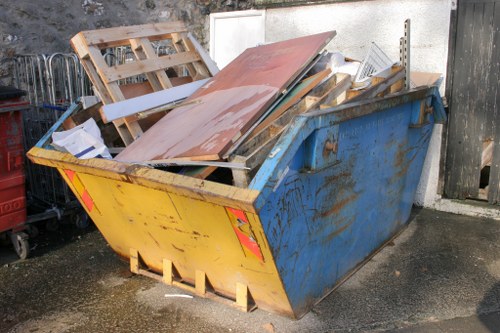
Business waste removal in Acton helps companies keep work areas clear, organised and ready for the next task. We handle routine collections for offices, shops, studios, hospitality venues and other commercial premises, with a service shaped around mixed rubbish, recyclable materials and bulky items that need careful handling. The aim is straightforward: remove unwanted waste efficiently, keep disruption low and leave the site ready for normal use again.
The work can include one-off clearances, scheduled collections and targeted removal of specific items from storage rooms, back-of-house areas or trading floors. Our business waste removal service covers practical disposal for commercial customers who need an orderly way to deal with accumulated waste, and it can be arranged around day-to-day operations so that access and movement on site remain manageable.
If you are planning a clearance, start with a clear description of the materials and the type of access available. A simple list of waste types, approximate volume and any time restrictions helps us shape the work properly. For a quotation, use the enquiry details provided on the site and include anything that may affect loading, sorting or collection.
Commercial collections for offices and workspaces
Office waste removal often involves more than a few bagged items. Desks, filing materials, packaging, broken equipment and redundant furniture can build up quickly in back rooms, meeting areas and storage cupboards. A commercial collection can be planned to remove only the items that are no longer needed, rather than disturbing the whole workspace. That approach is useful when a company wants to recover usable floor area while keeping disruption contained.
Where office items include both general rubbish and equipment, it helps to separate what is obvious waste from anything that may need checking first. Confidential papers, obsolete electronics and reusable furnishings may all need different handling. Office clearance is a useful option when the job involves desks, chairs, filing units or mixed contents across several rooms, because the scope can be matched to the actual layout instead of forcing a one-size-fits-all approach.
Typical office waste categories
Common collections may include paper archives, cardboard, plastic packaging, soft seating, office chairs, shelving, under-desk clutter and broken small appliances. Some jobs are mainly about reclaiming storage space; others involve preparing a room for refit or handing a unit back in a tidy state. It is sensible to separate reusable goods, items for disposal and any materials that require extra care, so the collection can proceed without avoidable sorting delays.
Furniture and bulky item disposal

Furniture disposal is often a central part of business waste removal because redundant items are usually too large for standard bins and can be awkward to move through working premises. Tables, chairs, cabinets, shelving and reception furniture may need to come out from upper floors, shared corridors or restricted storage rooms. A planned collection can save time by matching the removal method to the way the building is used.
When business furniture is still in usable condition, some customers prefer to keep it separate from general rubbish so that it can be assessed for reuse or recycling where appropriate. Furniture disposal provides a focused route for standalone items and larger batches alike, while furniture clearance is helpful when several pieces are spread across different areas and need to be taken together as part of a broader tidy-up.
Large items can affect circulation, fire exits and loading routes if they are left waiting in corridors or near entrances. That is why we look at the practical side of the collection as well as the waste itself. The more clearly the items are grouped, the easier it is to remove them without interrupting staff movement or customer access for longer than necessary.
Waste from stores, workshops and mixed premises
Not every commercial site produces the same sort of waste. Shops may need packaging removed, workshops may have offcuts and broken fittings, and shared premises may accumulate a mixture of stock room clutter, displays and end-of-life materials. Business waste removal in Acton can be organised to reflect that variety, with collections shaped around the contents rather than a narrow category of rubbish.
For premises that include back-of-house storage, preparation rooms or utility spaces, general waste removal offers a practical option when the load contains mixed items and the main goal is to clear them responsibly. If the waste is made up of stripped-out fixtures, old shelving or redundant display pieces, builders waste clearance may be a better fit for the heavier, more cumbersome side of the job.
Useful preparation does not need to be complicated. Keep similar materials together where possible, identify anything fragile or sharp, and make sure the access route is clear enough for safe lifting and moving. These small steps reduce the chance of hold-ups and help the collection proceed in a calm, orderly way.
Recycling-led handling and material separation

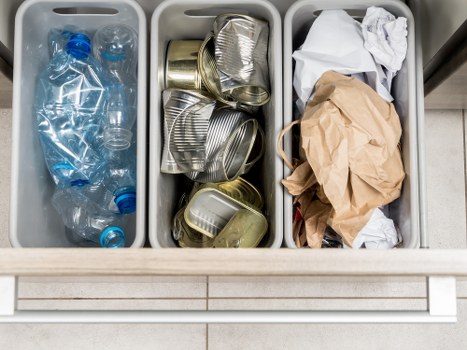
A well-planned commercial clearance is not only about taking waste away. It is also about separating material sensibly so that recyclable items, reusable fixtures and disposal-only rubbish are each handled in the right way. That matters when a workplace has packaging, plastics, metals, office furniture or electrical items all in the same area. It is easier to organise the collection when the different streams are identified early.
Recycling and sustainability explains the broader approach to handling recoverable waste responsibly. In practice, this can mean making room for sortation, keeping like materials together and avoiding unnecessary contamination. Furniture disposal and fridge and appliance removal can also sit within that approach when bulky items need to be removed and directed into the most suitable route available.
Where separation is most useful
Separation is particularly helpful when the site contains cardboard, soft furnishings, appliances, metal shelving, mixed office furniture and bagged rubbish together. Some items are easy to assess, while others may be better kept apart until the collection team reaches them. The more clearly the waste is grouped, the easier it is to decide what should be taken together and what needs special attention.
Furniture, fixtures and end-of-use items
Commercial waste often includes items that are no longer part of day-to-day trading but still take up valuable space. This can include waiting-room seating, counters, cabinets, loose shelving, display units and task chairs. In some cases, the clearance is linked to a refit; in others, it is simply about removing redundant pieces that are no longer useful. Either way, the work benefits from a clear plan for access and handling.
Home clearance and house clearance are residential services, so they are not the main focus here, but they show the sort of structured approach that can also be useful in commercial settings: identify what stays, what goes and what needs to be moved first. For business premises, that same discipline helps avoid confusion when several departments or tenants share a building.
Where a site includes a mix of furniture and hard-wearing fittings, the collection may need to start with the largest items first so that circulation space is created quickly. That makes it easier to reach smaller waste items afterwards. It also helps when the premises have limited loading access or tight internal routes, because the sequence of removal can be matched to the building rather than forced in a fixed order.
About Acton
Acton is a district in the London Borough of Ealing in west London, long associated with a mixture of residential streets, transport corridors and employment areas. Its name is traditionally linked with an “oak farm†origin, reflected in the Anglo-Saxon roots often cited for the settlement’s early identity. Over time, the area developed from rural land into a suburban centre, with later rail and road connections helping it expand and diversify. Today Acton is usually understood through several distinct parts, including East Acton, North Acton, South Acton and Acton Central, each with its own street pattern and character. The district is crossed by a number of key routes and has long been shaped by movement between west London and central districts, which has influenced how its high streets and side streets evolved. Churchfield Road, Acton High Street and the surrounding local shopping areas provide a more urban, everyday feel, while quieter residential roads and estate layouts show the changing patterns of twentieth-century development. Green spaces such as Acton Park give the area open relief, and nearby links to larger parks and corridors help balance the more built-up parts of the district. Transport is an important part of Acton’s identity, with rail and Underground connections contributing to its sense of being both local and well connected. That combination of older settlement history, later suburban growth and continuing urban change makes Acton a varied and recognisable part of west London rather than a single uniform neighbourhood.
Clearances for stockrooms, basements and storage areas
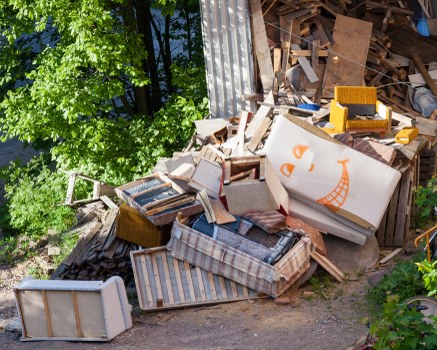
Storage rooms and basements are common places for unwanted business waste to accumulate because items are put aside “for later†and then forgotten. Cardboard, broken equipment, spare furniture, packaging and old fixtures can slowly fill the area until access becomes awkward. A targeted clearance restores the room to useful working space and prevents waste from interfering with stock control or maintenance tasks.
Garage clearance can be relevant where a commercial garage, rear store or outbuilding has become a holding area for mixed waste and redundant items. In other cases, loft clearance or flat clearance may suit premises with unusual storage layouts, particularly where items have been left in upper rooms or compact spaces that require careful carrying and planning.
Collections from enclosed or awkward spaces are easier when the route out is checked in advance. Narrow stairways, low ceilings, shared entrances and limited parking can all influence the best way to remove waste. A practical arrangement takes those constraints into account before lifting starts, which helps keep the job orderly and reduces the chance of avoidable delays.
Special handling for appliances and other bulky waste
Some commercial clearances include items that are bulky, awkward or unsuitable for ordinary disposal routes. Fridges, freezers, washing machines, microwaves, sofa seating and heavy cabinet units may all need particular attention because of their size, weight or internal components. These items are often best dealt with as part of a planned collection rather than left to accumulate beside regular waste bags.
Fridge and appliance removal is a useful service when the waste includes electrical units that need separating from general rubbish. For larger soft furnishings, mattress and sofa disposal can provide a more suitable route than trying to treat those items as ordinary refuse. Where one job includes several types of bulky waste, the collection plan can be built around the heaviest and most awkward pieces first.
It is also sensible to think about where those items are positioned. A fridge in a back room, a sofa in a reception area or a set of office chairs in a top-floor store room may each require different handling. The collection is easier when the location of each item is clear before the visit, because loading can then be organised around the route through the premises.
How to plan a quotation and collection
For a quotation, it helps to give a concise outline of the waste, the setting and any access limits. Mention the approximate volume, the type of items, whether there are stairs or narrow passages and whether the collection needs to happen at a particular time. If you can group similar materials together before the visit, that may also make the work easier to assess. These details support an accurate response without requiring unnecessary back-and-forth.
When a business is arranging waste removal, the strongest result usually comes from combining clear information with a realistic view of the site. Photographing the main piles, noting any items that should stay and identifying anything fragile can all help the collection be organised properly. Pricing and quotes is a useful page to consult when you want to understand how quotations are put together, and contact us is the final step when you are ready to ask for a price.
If the waste includes confidential papers or sensitive materials, it is sensible to keep them separate from ordinary rubbish. Confidential shredding offers a more appropriate route for documents that should not go through standard mixed waste handling. When you are ready, ask for a quotation and we will help shape the collection around the materials, the access and the timing that suit your premises.