Acton Central rubbish collection tips for Churchfield Road flats
If you live in Churchfield Road flats, you already know rubbish can become a small daily battle. One sack left in the wrong place, one box that blocks a narrow landing, one missed collection on a damp Tuesday morning, and suddenly the whole building feels messier than it should. These Acton Central rubbish collection tips for Churchfield Road flats are here to make that routine easier, tidier, and far less stressful.
This guide is written for real life in a shared London block: limited storage, communal bins, awkward stairwells, neighbours who all have different habits, and the occasional bulky item that simply will not fit anywhere sensible. We will look at how collections work, what causes problems, how to avoid spillages and smells, and when it makes sense to bring in a proper clearance service. Simple stuff, but the kind that saves time and a fair bit of frustration.
One quick note before we begin: if your flat needs a broader tidy-up alongside regular rubbish control, services like flat clearance and waste removal can be useful when a normal bin routine is not enough.
Table of Contents
- Why this matters in Churchfield Road flats
- How rubbish collection works in practice
- Key benefits and practical advantages
- Who this is for and when it makes sense
- Step-by-step guidance
- Expert tips for better results
- Common mistakes to avoid
- Tools, resources and recommendations
- Law, compliance, standards and best practice
- Options, methods and comparison table
- Case study or real-world example
- Practical checklist
- Conclusion
- Frequently Asked Questions
Why Acton Central rubbish collection tips for Churchfield Road flats Matters
Flats on Churchfield Road tend to live or die by how well waste is handled. In a house with its own front garden, rubbish is annoying. In a flat, rubbish can become communal very quickly. Bags pile up by the wrong door, recycling gets mixed with general waste, and one loose pizza box can set off a chain reaction of mess, smells, and complaints. You know the sort of thing.
There is also the practical side. In shared buildings, space is precious. Waste that is not sorted properly takes up storage areas, attracts pests, and makes cleaners, residents, and building managers work harder than they need to. Good rubbish routines are not about being fussy. They are about keeping the building pleasant enough to live in without endless reminders and awkward notes on the noticeboard.
For many residents, the goal is not perfection. It is consistency. A clear, repeatable system means collections are easier to manage, whether you are a long-term tenant, a landlord, or the person in the building who somehow always ends up taking charge. Funny how that happens.
Expert summary: In flat buildings, the biggest rubbish problems usually come from inconsistency, not volume. Sort waste early, keep routes clear, and remove bulky items before they interfere with the normal collection setup.
How Acton Central rubbish collection tips for Churchfield Road flats Works
At its simplest, rubbish collection in flat buildings works best when everyone understands where items go, when they go out, and what should never be left in communal areas. In practice, that means three things: sorting, storing, and timing.
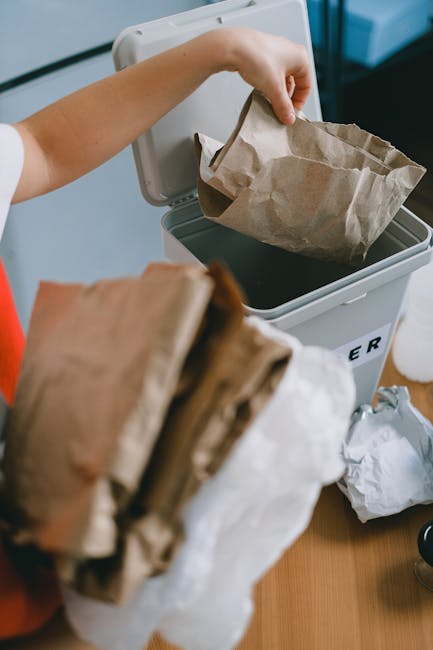
Sorting means separating everyday waste, recycling, food waste where applicable, and anything that needs special handling. Mixed bags are the quickest way to create extra hassle. If you have ever opened a bin store and found a broken chair wedged beside dripping bags, you will know exactly what I mean.
Storing means keeping waste inside the flat until the correct collection time or putting it in the agreed communal bin area. In buildings with limited space, that usually means being disciplined. A sealed bag in the hallway for three days is still a sealed bag in the hallway for three days. It may look harmless at first, but by the next morning the room can feel warmer, smellier, and just a bit grim.
Timing is where many people slip up. A collection system only works when residents know collection days, set-out times, and any local rules about where bins should be placed. If one flat puts waste out early and another puts it out late, the whole area can look untidy and collections become less predictable.
When a flat generates more waste than usual, such as after moving out, refitting a room, or clearing old furniture, regular bins are often not enough. That is where more flexible services like home clearance or furniture disposal can help keep the process controlled rather than chaotic.
Key Benefits and Practical Advantages
Good rubbish handling in Churchfield Road flats brings more than a tidy bin store. It changes the feel of the building. Less clutter in shared corridors, fewer unpleasant smells, and fewer arguments about whose bag is whose. Not glamorous, admittedly, but very real.
- Cleaner communal areas: waste is less likely to spill into walkways or landings.
- Fewer complaints: neighbours are less irritated when collections happen predictably.
- Lower pest risk: sealed, properly timed waste is less likely to attract vermin or flies.
- Better recycling: people are more likely to sort correctly when the system is simple.
- Less last-minute panic: you are not dragging bags downstairs in a rush because the bin store is full again.
- Improved presentation: useful for landlords, agents, and residents who want the property to feel cared for.
There is also a quiet financial benefit. Fewer mistakes mean fewer ad hoc callouts, fewer clean-up jobs, and less risk of damage from overfilled bags or wet waste leaks. If a flat regularly produces awkward waste streams, it may be worth checking pricing and quotes before the problem grows. No one enjoys paying more later because the easy fix was delayed.
Who This Is For and When It Makes Sense
This advice is useful for tenants, landlords, letting agents, building managers, and anyone else dealing with waste in shared flats around Acton Central. It is especially relevant if you live in one of those buildings where the bin area is small, the lift is always busy, and there is never quite enough room for "just one more bag".
It makes sense to pay extra attention when:
- a flat is moving in or out
- there is a post-renovation clean-up
- communal bins are always overflowing
- residents are unsure what goes in recycling
- bulky items are being left near entrances
- food waste is causing smells in warmer weather
If you are managing a rented flat or a whole block, the waste issue can change quickly. One new tenant may be well organised, another may not be. That is life, really. In those situations, a simple routine and a clear point of contact help far more than repeated reminders shouted across the stairwell.
Step-by-Step Guidance
Here is a straightforward way to manage rubbish collection in Churchfield Road flats without overcomplicating it.
- Check the building's current setup. Find out where the bins are stored, who is responsible for moving them, and whether there are separate containers for recycling or food waste.
- Set one household routine. Keep a small indoor bin in the kitchen, then transfer waste into a sealed bag before collection day. It sounds basic because it is basic. That is why it works.
- Use clear bagging and sorting. Keep general waste, recyclables, and special waste apart. Do not wait until collection morning to untangle it all.
- Store waste safely indoors until ready. Keep it away from heat sources, pets, and hallways where someone might trip over it.
- Take rubbish out at the right time. Avoid putting bags in communal spaces too early. If the building has a bin store, keep the route clear.
- Flatten cardboard and empty containers. This frees space instantly. It is one of those tiny tasks that makes a surprising difference.
- Remove bulky waste separately. Broken furniture, mattresses, and large appliances should not be left beside normal bins. Use dedicated clearance solutions instead.
- Review the system after a few weeks. If bins still overflow, something is off: collection frequency, resident habits, or storage capacity.
If you are dealing with an awkward item, such as a fridge, a worn sofa, or a mattress that has clearly seen better days, specialist services like fridge and appliance removal and mattress and sofa disposal are often the cleaner route.
Expert Tips for Better Results
The small habits matter most. That is the honest truth of rubbish management in flats. A few simple tweaks will often fix what looks like a bigger problem.
Keep one bin system per room type
A kitchen bin, a recycling caddy, and a small caddy for paperwork or confidential items is often enough. If you are mixing everything in one bag, you are making the task harder than it needs to be.
Use sealed liners that actually fit
A liner that keeps slipping into the bin is a nuisance. It causes spills, people get annoyed, and somehow the whole thing becomes everyone else's problem. Choose liners that match the bin size properly.
Plan around move-outs and weekend clear-outs
Most flat waste problems are not everyday problems. They happen when someone is moving, cleaning, or replacing furniture. If you know a clear-out is coming, book in advance rather than waiting until the hallway is full.
Do not underestimate awkward waste
Loose shelves, broken stools, old blinds, and appliance packaging can take more room than expected. Bulky waste grows by stealth. One minute it is a flat-pack box; the next minute it is the entire corner of the landing.
Keep recycling dry
Wet cardboard and food-contaminated packaging are much less useful for recycling. If it is raining outside, or if the bin store is exposed, try to keep dry materials covered until collection.
And a tiny human tip from experience: if a waste area starts looking untidy, do a two-minute reset rather than waiting for "a proper tidy later". Later often turns into next week. Then somehow into next month.
Common Mistakes to Avoid
Most rubbish problems in flats come from a few repeat habits. None of them are dramatic on their own. Together, they create the kind of mess everyone notices.
- Leaving bags in corridors: even for a short time, this blocks access and looks poor.
- Overfilling bins: lids that do not close invite mess, smell, and pests.
- Mixing recycling with food waste: one wrong item can contaminate a whole bag or bin load.
- Ignoring bulky items: "I will sort that later" is not a system.
- Putting waste out too early: this is one of the fastest ways to make a block look neglected.
- Forgetting special waste streams: appliances, electronics, confidential paper, and hazardous items need the right treatment.
A very common mistake is assuming all rubbish is the same. It is not. Broken glass, batteries, food waste, old electronics, and wet furniture all need different handling. If that sounds like a hassle, well, yes, a bit. But the hassle is smaller than the mess that follows when people ignore it.
Tools, Resources and Recommendations
You do not need a complicated toolkit to manage rubbish well in a flat. A few practical items go a long way.
| Tool or resource | Why it helps | Best used for |
|---|---|---|
| Kitchen caddy or small indoor bin | Keeps waste contained before collection day | Everyday household rubbish and food scraps |
| Strong bin liners | Reduces leaks and torn bags | General waste and damp items |
| Labels for shared bin areas | Helps residents sort correctly | Communal recycling and bin stores |
| Fold-flat storage boxes | Reduces clutter after deliveries | Cardboard and packaging control |
| Specialist clearance booking | Removes bulky waste safely | Furniture, appliances, large flat clear-outs |
For residents dealing with a larger clean-up, it can also help to understand what can fit into a skip and what should not. The page on what can go in a skip is useful for planning, especially if you are comparing options before a big declutter.
If you are clearing a flat after a tenancy change, a family move, or a long-overdue room reset, a broader service such as house clearance or loft clearance may be the calmer route. Truth be told, trying to handle a full property clear-out with normal bins alone is often a false economy.
Law, Compliance, Standards and Best Practice
Waste handling in the UK is not just about convenience. There are legal and practical expectations around safe disposal, duty of care, and keeping communal areas accessible and hygienic. For flat residents, that usually means using bins properly, not leaving items where they could obstruct others, and ensuring any special waste is handled by an appropriate route.
In a shared building, it is also good practice to keep fire exits, stairwells, and hallways clear. Even if a bag looks harmless, it should never become an obstruction. A corridor is not a storage unit. Everyone knows that, but somehow it still needs saying.
For waste that may be classed as hazardous, or that could contaminate other waste streams, it is better to err on the careful side. Batteries, chemicals, paint, and certain electrical items should not be treated like ordinary rubbish. If something feels uncertain, do not guess. Use a proper disposal route and avoid mixing it into general waste.
If your flat or building handles paperwork, financial records, or sensitive documents, confidential disposal matters too. In that case, a service like confidential shredding may be relevant, especially for landlords, small offices, or residents clearing old files during a move.
Good practice also means choosing a provider that treats waste responsibly, follows stated safety procedures, and handles collections in a professional way. You can review company standards through pages such as health and safety policy, insurance and safety, and recycling and sustainability.
Options, Methods and Comparison Table
Not every waste problem in a Churchfield Road flat needs the same solution. The right choice depends on volume, timing, and what you are actually getting rid of.
| Option | Best for | Strengths | Limitations |
|---|---|---|---|
| Standard bin collection | Daily household waste and light recycling | Simple, routine, low effort | Limited capacity, not suitable for bulky items |
| Self-managed bagging and storage | Small flats with disciplined routines | Cheap and flexible | Depends on resident consistency |
| Communal bin coordination | Blocks with multiple residents | Shared system, easier oversight | Needs clear cooperation and labelling |
| Specialist waste removal | Bulky waste, move-outs, mixed loads | Fast, tidy, suitable for awkward items | Usually more expensive than routine bin use |
| Property clearance | Full or partial flat clear-outs | Best for bigger jobs and time-sensitive clearances | Overkill for minor day-to-day rubbish |
In many cases, the choice is obvious once you stop trying to force one method to do everything. A broken wardrobe and three bin bags are not the same job. Different tool, different result. Makes sense, really.
Case Study or Real-World Example
A typical Churchfield Road flat scenario goes like this. A tenant moves out on a Friday. There is one old chair, a rolled rug, a few bags of mixed rubbish, and half a dozen cardboard boxes from new furniture deliveries. By Saturday morning, the corridor starts filling up because the normal bins are already half full.
If nobody acts early, the pile grows. Someone adds a black bag. Another resident leaves recycling beside it. A delivery driver has to squeeze past. Then the bin store smells warm and sour by late afternoon, especially if the weather is mild. Nobody wants that, but it happens quickly.
The better approach is simpler. The moving tenant separates the furniture, books a suitable clearance for the chair and rug, breaks down the boxes flat, and keeps the remaining bags indoors until the scheduled collection. The corridor stays clear. The bins are not overloaded. The next resident does not walk into a mess. Everyone breathes easier, even if nobody says so out loud.
That kind of tidy outcome is not complicated. It just needs planning a day or two earlier than you think you need to. Annoyingly simple, but effective.
Practical Checklist
Use this before and after collection day to keep waste under control.
- Check the next collection time for your building or street
- Keep rubbish inside the flat until it is ready to go out
- Use strong bags and seal them properly
- Separate general waste, recycling, and food waste
- Flatten cardboard and boxes before storing them
- Keep hallways, stairs, and entrance routes clear
- Move bulky items into a separate plan, not beside the bins
- Remove appliances, sofas, and mattresses through a dedicated service
- Review the bin store after each busy period
- Book help early if the waste is more than one collection can handle
If you are planning a deeper reset, you can also compare options through book online and pricing and quotes when you are ready to move from everyday bin management to a proper collection plan.
Conclusion
Acton Central rubbish collection tips for Churchfield Road flats are really about making shared living easier. Keep the system simple, keep the routes clear, and do not let awkward waste sit around waiting for "later". The buildings that feel cleanest usually are not the ones with the fanciest arrangements; they are the ones where residents stick to a few sensible habits.
Whether you are managing a single flat, coordinating a block, or helping a tenant clear out before move-in day, the best results come from planning ahead and using the right disposal route for the right type of waste. That small bit of order changes everything. Honestly, it really does.
Get a free quote today and see how much you can save.
And if all you do after reading this is flatten the cardboard, seal the bags properly, and keep the landing clear, that is already a win. Small steps add up. That's the quiet truth of it.
Frequently Asked Questions
How often should rubbish be taken out in a Churchfield Road flat?
For most flats, the answer is simple: often enough that waste never builds up indoors or in communal spaces. Kitchen rubbish should be removed before it starts to smell, and recycling should be stored neatly until collection day.
What is the best way to manage shared bins in a flat block?
Shared bins work best when everyone follows the same sorting routine and respects the bin store. Clear labels, sealed bags, and regular monitoring stop the system from breaking down. Not fancy, just effective.
Can I leave rubbish in the corridor for a short time?
It is best not to. Even a short stay in a corridor can block access, create smells, and cause complaints. If the waste is ready to go out, move it directly to the agreed bin area or hold it indoors until collection time.
What should I do with bulky items like sofas or mattresses?
Bulky items should not be left beside ordinary bins. Use a dedicated service such as mattress and sofa disposal or another suitable clearance option so the item is removed safely and without affecting the building.
How do I stop recycling from getting contaminated?
Keep recycling dry, empty, and separate from food waste. Flatten cardboard, rinse containers lightly if needed, and do not mix in items that clearly belong in general waste. Once recycling gets dirty, it is much less useful.
Is it better to book waste removal before or after a move?
Before, if possible. Booking early means you can clear bulky items and packaging before the moving day clutter builds up. After a move, the job is still doable, but it often feels more rushed and messy.
What waste items need special handling?
Appliances, chemicals, batteries, paint, electronics, and confidential documents may need more careful disposal than general rubbish. If you are unsure, treat the item separately instead of mixing it into normal household waste.
How can landlords keep flat rubbish under control?
Landlords usually do best with clear house rules, visible bin instructions, and a plan for move-out clearances. If the property is frequently turning over, a regular waste plan is easier than reacting to problems after they appear.
What is the most common mistake people make with rubbish in flats?
The biggest mistake is waiting too long. Bags are left indoors, then in hallways, then beside bins. By the time anyone reacts, the whole area has become a shared problem. Early action fixes most of that.
Do I need a specialist service for every clear-out?
No. Small daily waste can be handled through normal routines. A specialist service becomes worthwhile when you have bulky furniture, a lot of packaging, mixed waste, or anything too awkward for standard bins.
How do I know which service is right for my flat?
Think about volume, item type, and timing. If you only need to remove everyday rubbish, keep the routine simple. If you need help with a bigger project, pages like flat clearance, home clearance, or waste removal can help you choose the right route.
What should I do if the bin store keeps overflowing?
First, check whether the problem is sorting, capacity, or collection timing. If the space is consistently too small, you may need a better bin routine or a one-off clear-up to reset the area. After that, keep monitoring it rather than hoping it will sort itself out.
Can regular rubbish collection handle furniture or appliances?
Usually not. Furniture and appliances are better handled through dedicated services because they are bulky, awkward, and sometimes need careful processing. A standard bin system is not designed for them.
Where should I start if the flat feels overwhelmed by waste?
Start with the visible stuff first: bags, boxes, and anything blocking access. Then sort what can stay, what can be recycled, and what needs specialist removal. Once the space is clear, the rest becomes much easier to manage.
Related local support: If your flat needs a bigger clean-up, practical help is often easier than battling the pile alone. Review the most suitable service, then move quickly before waste becomes part of the decor.