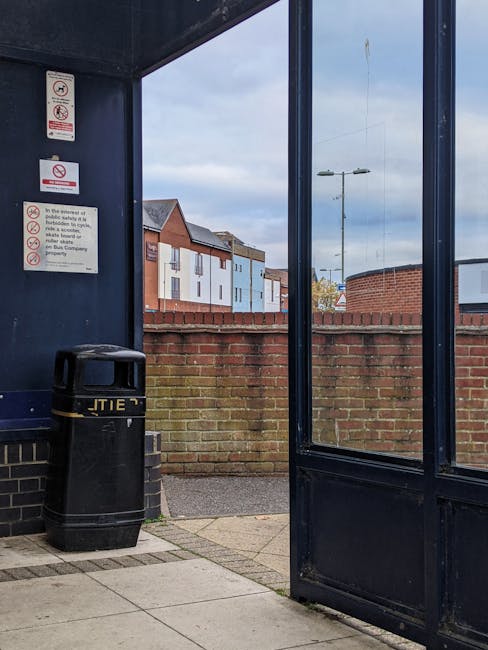
South Acton station rubbish removal options for commuters

If you commute through South Acton station and keep finding yourself with awkward rubbish in hand, you are not alone. A broken office chair, a bag of packaging after a move, a dead small appliance, or a few flats' worth of household clutter can make a normal journey feel strangely complicated. The good news is that South Acton station rubbish removal options for commuters are more flexible than most people expect.
This guide explains the most practical ways to get waste cleared without derailing your day. We'll look at how the process works, which option suits which situation, what to avoid, and how to handle bulky, mixed, or time-sensitive waste in a sensible way. If you only have ten spare minutes between trains, fair enough - the aim here is to make the decision easy.
Expert summary: the best rubbish removal option for a commuter is usually the one that matches the size, urgency, and type of waste, not necessarily the cheapest-looking choice. A fast, compliant collection often saves time, stress, and a second trip you really don't want.
Why South Acton station rubbish removal options for commuters matters
Commuters need waste removal to fit around a timetable, not the other way round. That sounds obvious, but in practice it changes everything. If you are carrying rubbish on a train or trying to squeeze disposal into a lunch break, the wrong choice can mean delays, awkward lifting, missed connections, and waste sitting in your hallway for another week.
South Acton station is a practical hub for people moving between work, home, and errands, so rubbish removal in this context is really about convenience and timing. You may be dealing with one-off waste after a room refresh, a small office clear-out, or a few bulky items that are too awkward for standard household collections. Maybe you've just got a pile of cardboard after deliveries. Maybe the sofa finally gave up. Life happens, and rubbish tends to appear at the least convenient moment.
There's also a space issue. Flats and shared homes near transport links often don't have much storage, so items left "just for now" quickly become a nuisance. A clear plan matters because clutter attracts more clutter. One bag becomes three. Then a box. Then a mystery pile of cables nobody admits owning.
For many people, the real question is not "Can I remove it?" but "How do I do it quickly, safely, and without creating more mess?" That is where a good rubbish removal option earns its keep.
How South Acton station rubbish removal options for commuters works
At a simple level, rubbish removal works by matching the waste to the right collection method. For commuters, that usually means choosing a service or routine that fits around your travel patterns, the type of waste, and how urgently it needs to go.
In everyday terms, there are usually four broad routes:
- Carry out and sort later if the waste is small, clean, and easy to transport.
- Book a collection for bulky, mixed, or time-sensitive waste.
- Use a waste removal visit when you need multiple items cleared in one go.
- Arrange specialist disposal for items like fridges, sofas, or anything classed as hazardous.
The basic process is usually straightforward: identify the waste, separate anything reusable or sensitive, check what type of handling it needs, and arrange the most efficient removal route. If the load includes office paper, confidential documents, or broken electronics, think a step ahead rather than just piling everything together. That tiny bit of planning saves headaches later.
Commuters also benefit from collection timing. Early morning, evening, or same-day pickups can be a genuine advantage if you can't wait around all day. You do not want to stand outside a station juggling a broken cupboard door while a train announcement blares over the loudspeaker. Nobody needs that scene.
In many cases, waste removal near a station is less about a dramatic clear-out and more about efficient problem-solving. That makes it perfect for busy London routines, where time is always doing a bit too much.
Key benefits and practical advantages
The biggest advantage is simple: it gives commuters control. Instead of waste hanging around until the weekend, you can deal with it in a way that fits the commute you already make.
Here are the benefits people usually value most:
- Less clutter at home - especially useful in flats, studios, and shared houses.
- Fewer trips - one arranged collection is usually easier than multiple station-side attempts to move rubbish yourself.
- Better safety - fewer heavy lifting mishaps, fewer torn bags, fewer sharp edges.
- Cleaner shared spaces - important where hallways, entrances, or communal bins are already tight.
- Faster turnaround - useful after moving day, deliveries, or an office clear-out.
- More predictable costs - especially when you can get a clear quote based on load size or item type.
There's also an emotional benefit that gets ignored too often. A messy flat, a pile of broken furniture, or a stack of cardboard boxes near the door can make the whole place feel unfinished. Clear the waste, and the room feels different almost immediately. Brighter, calmer, less "I'll deal with this tomorrow."
General waste removal options can be especially helpful when the rubbish is mixed and not worth trying to manage piece by piece. And if the items are mostly bulky household goods, furniture disposal may be the better route.
Who this is for and when it makes sense
This kind of service is useful for a pretty wide group of people, not just someone doing a full house clearance. In our experience, it tends to suit commuters who are short on time, short on storage, or both.
Typical situations include:
- People moving into or out of a flat near South Acton station
- Commuters clearing old furniture after a room upgrade
- Remote workers who have turned a spare room into an office
- Small business owners needing to clear packaging, paper waste, or old stock
- Landlords or tenants dealing with leftover items after a tenancy change
- Anyone with bulky items that are awkward to carry on public transport
It also makes sense if you are trying to avoid repeated storage of waste. A couple of bags is manageable. A broken desk, a mattress, a bag of electricals, and three cardboard boxes? That is less manageable, to be fair.
If your waste comes from a bigger clear-out, a more tailored service may be worth looking at, such as flat clearance, office clearance, or home clearance. Those pages are useful when you are dealing with more than a single item and want the whole job handled in one visit.
Step-by-step guidance
If you want the process to feel smooth instead of rushed, use a simple sequence. Nothing fancy. Just a practical little system.
- Sort the waste by type. Put general rubbish, bulky items, electricals, and anything potentially hazardous into separate groups.
- Identify anything reusable. One person's junk really can be another person's useful chair, though let's not pretend every battered shelf deserves a second life.
- Measure the bulky stuff. Doorways, stairwells, and lift access matter, especially in older buildings.
- Check for restricted items. Fridges, appliances, paints, solvents, and similar materials often need special handling.
- Choose the right removal route. Small bagged waste may suit a simpler collection, while mixed bulky items often justify a dedicated clearance.
- Book a convenient time. If you commute daily, choose a slot that matches your routine rather than fighting it.
- Prepare access. Clear hallways, unlock gates, and make sure the items are easy to reach.
- Confirm disposal details. Ask how the waste will be handled, especially if you care about recycling or have confidential materials.
A useful habit is to stage items the night before, near the exit but not blocking it. That little bit of prep means less stress in the morning. And less stress before the Tube or train is always a win.
If your waste includes old sofas or mattresses, look at mattress and sofa disposal. If you have office records or paperwork, confidential shredding is the safer route than tossing sensitive papers into a mixed bag and hoping for the best.
Expert tips for better results
Good waste removal is often about the small decisions. The obvious stuff, yes, but also the less glamorous details that make the whole job easier.
- Bundle similar items together. Cardboard with cardboard, electricals with electricals, textiles with textiles. It speeds up sorting and can support better recycling outcomes.
- Keep pathways clear. A blocked landing slows everything down and increases the chance of damage.
- Don't mix clean recyclables with messy general waste. A soggy pizza box can spoil a neat stack of cardboard fast.
- Be realistic about lift access. If you know the lift is small or unreliable, say so early.
- Handle sharp or broken items carefully. Wrap mirrors, glass, and metal edges before moving them.
- Take photos if the job is complex. This is especially useful for mixed loads or larger clearances where a clear description helps avoid confusion.
It also helps to think about the journey from your front door to the collection point. Narrow staircase? Busy pavement? Limited waiting space outside? These things matter more than people expect. A clean plan beats a heroic last-minute effort every time.
If you are dealing with appliances, the dedicated fridge and appliance removal option is worth considering because white goods are awkward, heavy, and not something you want to drag around after work.
Common mistakes to avoid
Most rubbish removal problems are preventable. A few mistakes keep cropping up again and again, especially for commuters who are trying to do everything in one tidy rush.
- Leaving waste too late. The longer it sits, the more it spreads out.
- Guessing the load size. Underestimating the amount of waste can lead to delays or a second visit.
- Ignoring access issues. Staircases, parking, and narrow entrances are often the real bottlenecks.
- Mixing everything together. That makes sorting harder and can complicate disposal.
- Forgetting specialist items. Fridges, hazardous materials, and confidential documents often need separate treatment.
- Trying to move dangerously heavy items alone. Bad back, scratched walls, broken handles. Not worth it.
Another common mistake is thinking every clearance needs to be huge to be worthwhile. Not true. Sometimes the smart move is clearing just the items causing the most friction: the broken chair, the dead freezer, the pile of office paper, the old mattress. That alone can change how the whole space feels.
For more complex waste types, check the guidance around hazardous waste disposal and builders waste clearance if your rubbish includes rubble, timber, plasterboard, or renovation leftovers.
Tools, resources and recommendations
You do not need a truck full of equipment to manage commuter rubbish removal well. But a few simple tools make life easier.
- Sturdy bags and boxes for sorting smaller items
- Marker pens and labels to keep general waste separate from recyclables or fragile items
- Gloves for handling sharp edges, dusty items, or rough packaging
- Measuring tape for bulky furniture and access checks
- Phone photos to document the load before booking
- Recycling guidance from your chosen waste partner's sustainability information
It can also be useful to review the company's policies before booking. A quick look at pricing and quotes helps you understand how the job is likely to be priced, while recycling and sustainability gives a better idea of how items may be sorted after collection.
If your waste comes from a business setting rather than a home commute, business waste removal may be the more relevant starting point. It is especially helpful for staff working near transport links who need reliable, regular clearance rather than a one-off fix.
One slightly old-fashioned but still useful recommendation: write down what is going and what is not. In a rushed morning, memory gets fuzzy. The tea is hot, the train is arriving, and suddenly everyone forgets which box contains the cables.
Law, compliance, standards, and best practice
Waste removal in the UK should be handled responsibly, especially where mixed waste, electrical items, or potentially hazardous materials are involved. For commuters, the main practical point is simple: use a provider that can explain how waste is collected, sorted, and disposed of in a lawful and sensible way.
You do not need to become a waste regulations expert, but you should look for a few basics:
- Proper handling of restricted waste such as appliances, chemicals, and sharps
- Attention to recycling where materials can be separated
- Safe lifting and collection practices to reduce injury and property damage
- Secure handling of sensitive material if the waste includes documents or data-bearing items
- Clear terms and pricing so you know what is included before collection day
Best practice also means being honest about the load. If the collection includes a fridge, for example, say so. If there is plasterboard or paint, mention it early. If you are not sure whether something is allowed, ask before you book. That one question can save a surprising amount of back-and-forth.
When using a clearance company, it is sensible to review pages like insurance and safety and health and safety policy. Those pages are a useful sign that the business takes the practical side seriously, not just the booking form.
There is a quiet benefit here too: compliance is not only about legal neatness. It reduces the chance that your rubbish becomes someone else's problem later. That matters more than people think.
Options, methods, and comparison table
Choosing the right route depends on what you're getting rid of and how quickly it needs to go. Here is a clear comparison to make the decision easier.
| Option | Best for | Pros | Trade-offs |
|---|---|---|---|
| Self-carry to recycling or disposal | Small, manageable loads | Simple, cheap, flexible | Time-consuming, awkward for bulky items, limited by travel and storage |
| One-off rubbish collection | Mixed household waste or a few bulky items | Convenient, fast, usually minimal disruption | Needs clear description of load and access |
| Furniture or appliance disposal | Large single items | Purpose-built handling for difficult items | May require item-specific booking |
| Full clearance service | Flats, offices, lofts, garages, or whole rooms | Efficient for bigger jobs, less lifting for you | Usually overkill for a small bag or one chair |
| Specialist disposal | Hazardous, confidential, or regulated items | Safer, more compliant, better for sensitive waste | May need extra detail and planning |
For many commuters, the sweet spot is somewhere in the middle: not too small, not too complex. A simple collection can feel almost effortless if you pre-sort properly. A bigger clearance is often more efficient than several mini-journeys spread across a week. The trick is matching the method to the reality of your rubbish, not the ideal version in your head.
Case study or real-world example
Picture a commuter who works regular hours and lives in a compact flat near South Acton station. Over two weeks, the flat fills up with packaging from a new bed, an old dining chair, a broken desk lamp, and a small pile of paperwork that should never have been left in a kitchen drawer in the first place. Nothing dramatic. Just annoying.
They start by separating the items: cardboard in one stack, furniture in another, paper documents set aside for shredding, and the lamp flagged as electrical waste. Because the waste is mixed but still manageable, a one-off removal makes more sense than trying to move everything by train or storing it until a free Saturday appears. Which, as we all know, has a habit of disappearing into chores.
The result is not only an emptier flat. The front room becomes usable again. The hallway stops feeling like a sorting centre. And the person gets their weekend back. That is the real value: not just getting rid of rubbish, but getting rid of the mental load that comes with it.
In a slightly larger example, a small home-based business near the station might clear a few broken chairs, archive boxes, and old shelving. In that case, combining waste types sensibly and checking the business-side service route can save a lot of faff. If the job also involves a garage, the dedicated garage clearance option can help keep everything organised.
Practical checklist
Use this checklist before booking or hauling anything out the door:
- Identify what needs removing
- Separate general waste, bulky waste, and specialist items
- Check whether anything is reusable or recyclable
- Measure large items and note access issues
- Decide whether the job is a one-off or part of a larger clearance
- Set aside sensitive documents for secure shredding
- Confirm whether appliances or hazardous materials are included
- Choose a collection time that fits your commute
- Clear the route from the waste to the collection point
- Review pricing, insurance, and safety information before booking
Quick reminder: a few minutes of prep can cut the stress of the whole thing in half.
Get a free quote today and see how much you can save.
Conclusion
South Acton station rubbish removal options for commuters are all about making disposal fit real life. If you're juggling work, travel, and a small living space, you need a process that is quick, safe, and simple enough to repeat when needed. The best option might be a single-item pickup, a mixed waste collection, or a fuller clearance service - but the right choice is always the one that matches the load and the deadline.
Do the sorting first, be honest about access and item type, and choose a service route that respects your schedule. That way, rubbish stops being a background problem and becomes a small, solvable task. And honestly, once it's gone, the relief is immediate. The space feels lighter. Your day does too.
If you want to explore the available service pages, you can review waste removal, furniture disposal, appliance removal, or specialist disposal options before you book. A little planning now saves a lot of heavy lifting later, and that's a decent trade.
Sometimes the most useful thing is simply getting the clutter out of your way and giving yourself a clean start.
Frequently Asked Questions
What are the best rubbish removal options for commuters near South Acton station?
The best option depends on the amount and type of waste. Small loads may suit simple removal, while bulky furniture, appliances, or mixed waste often work better with a dedicated collection or clearance service.
Can I carry rubbish on public transport?
Small, clean, well-bagged items may be manageable, but bulky, sharp, smelly, or awkward waste is usually a bad idea. It can be uncomfortable for you and unpleasant for other passengers too.
What should I do with old furniture after a commute?
If the item is too large to move easily, arrange a furniture-specific disposal or a broader clearance. That is usually safer and quicker than trying to force it into a travel routine.
Is same-day rubbish removal possible for busy commuters?
Often, yes, depending on availability and the type of waste. If timing matters, book early and give clear details so the collection can be planned properly.
How do I know if my waste needs special handling?
If it includes fridges, solvents, paint, batteries, confidential papers, or other restricted items, it may need specialist handling. When in doubt, ask before booking.
What if I only have a few bags of rubbish?
For a small number of bags, you may not need a full clearance. A simple collection or a basic waste removal option is often enough and may be more cost-effective.
Can office waste be removed near South Acton station?
Yes. Small office clearances, paperwork removal, and mixed business waste can usually be managed with the right service. If documents are sensitive, confidential shredding is the safer choice.
How should I prepare waste before booking a collection?
Sort items by type, remove anything reusable, measure bulky pieces, and make access easy. A quick photo of the load can also help avoid confusion.
What are the biggest mistakes commuters make with rubbish removal?
The most common mistakes are leaving it too late, underestimating the volume, forgetting access issues, and mixing specialist waste with general rubbish. None of those are fun on a busy weekday.
Is recycling important when arranging rubbish removal?
Yes. Good waste management usually aims to separate recyclable material where possible. It is not just tidier; it is a sensible, responsible way to handle disposal.
Do I need to worry about safety when moving waste myself?
Definitely. Heavy lifting, sharp edges, broken glass, and awkward furniture can cause injuries or property damage. If something feels too bulky or unsafe, it usually is.
How do I choose between furniture disposal and full clearance?
If you only have one or two large items, furniture disposal may be enough. If the waste includes multiple rooms, mixed items, or a bigger reset of the space, a full clearance is usually the better fit.